
Finding knob-and-tube wiring does not automatically mean you should walk away from a house. It does mean you should learn more before making your decision.
The important questions are how much of the wiring remains active, what condition it is in, whether it has been altered, whether the home can be insured, and what any recommended upgrades may cost.
What Is Knob-and-Tube Wiring?
Knob-and-tube wiring is an older method of electrical wiring commonly found in homes built from the late 1800s through the early 1900s. It continued to be used in some areas into the 1940s.
The system uses individual insulated conductors rather than the bundled electrical cable commonly installed today.
- Porcelain knobs support the wires along wood framing.
- Porcelain tubes protect the wires where they pass through framing.
- The hot and neutral conductors typically run separately.
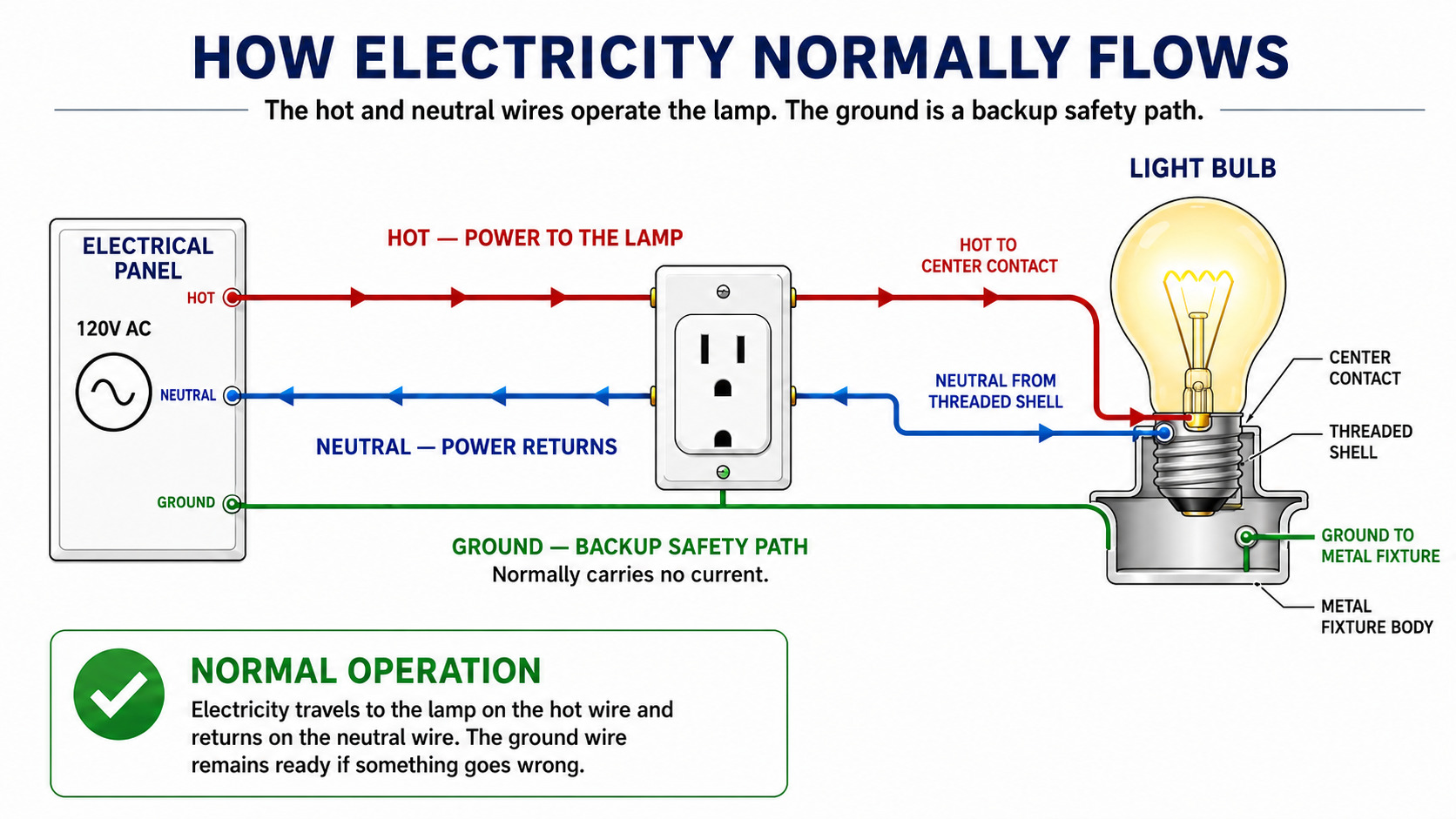
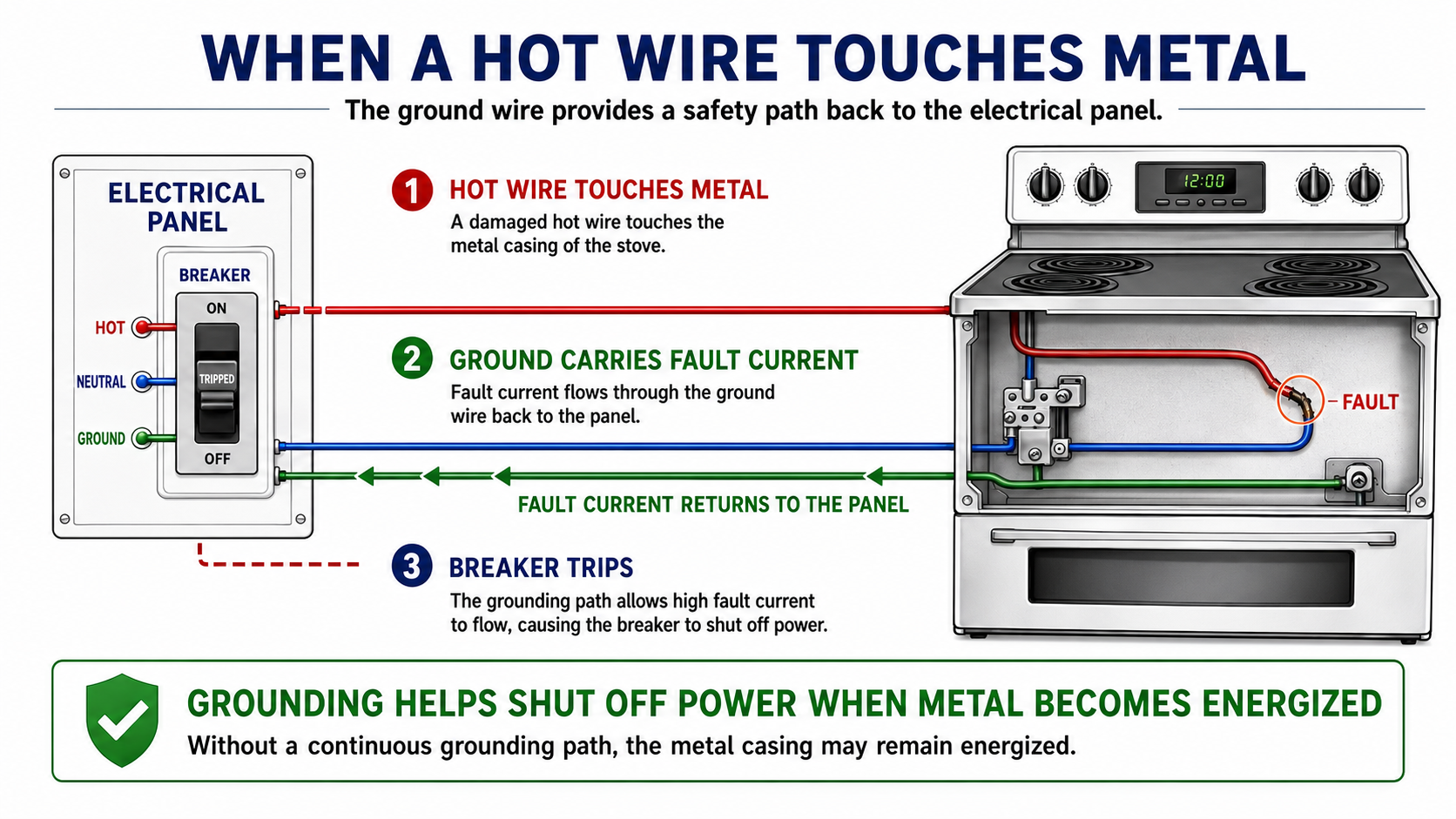
- The system normally does not include an equipment grounding conductor.
The porcelain parts are often still visible in unfinished attics, basements, and crawlspaces. However, much of the wiring may be concealed behind finished walls and ceilings.
Is Knob-and-Tube Wiring Dangerous?
Its presence alone does not confirm an immediate hazard. Condition and installation details matter.
The concern is that the wiring may now be many decades old and may have been altered several times. Older electrical systems can also be placed under greater demand than they were originally designed to serve.
Conditions that deserve closer attention include:
- Brittle, deteriorated, or damaged insulation
- Open or improper splices
- Amateur modifications
- Oversized fuses or breakers
- Circuits carrying heavy modern electrical loads
- Building insulation surrounding active wiring
- Three-slot receptacles installed on ungrounded circuits
- A mixture of knob-and-tube and newer wiring
The U.S. Consumer Product Safety Commission advises that electrical components can deteriorate with age and that older wiring systems may have difficulty handling increased demand from modern appliances.
Why Is Insulation Around the Wiring a Concern?
Knob-and-tube wiring was installed with open air around the conductors. Insulation added later may surround the wiring, reduce heat dissipation, and conceal damaged insulation or improper splices.
The presence of insulation does not tell you the condition of every concealed wire. It is one reason active knob-and-tube wiring should be evaluated before additional insulation or air-sealing work is performed.
Does All Knob-and-Tube Wiring Need to Be Replaced?
Not automatically. The appropriate recommendation depends on the condition, extent, use, and insurance requirements for the property.
A home may contain:
- Active knob-and-tube wiring throughout much of the house
- Active wiring serving only a few remaining circuits
- Abandoned wiring that is no longer energized
- A combination of knob-and-tube and modern wiring
Visible porcelain knobs and tubes do not confirm whether the wiring is active. Likewise, newer wiring near the electrical panel does not prove that all older wiring has been removed.
A licensed electrician can evaluate accessible portions of the system, identify active circuits, and explain whether repair, partial replacement, or more extensive rewiring is appropriate.
What About Three-Slot Receptacles?
A three-slot receptacle does not necessarily mean the circuit is grounded.
Three-slot receptacles are sometimes installed on older two-wire circuits. GFCI protection may provide additional protection from electrical shock, but it does not create an equipment grounding path.
Testing a representative number of receptacles can provide useful information, but it does not determine the condition of every receptacle or concealed circuit in the home.
For more on grounding, see What Is an Open Ground?
Could Knob-and-Tube Wiring Affect Insurance?
Possibly. Insurance requirements vary by company and may depend on how much wiring remains active, its documented condition, and whether upgrades have been completed.
An insurer may request an electrical evaluation, require repairs, limit available coverage, or decline to insure the property. Another insurer may have different requirements.
Contact your insurance company early and provide accurate information about the wiring. When possible, obtain the insurer's requirements in writing before important purchase deadlines.
What Should I Do Before Buying?
If knob-and-tube wiring is present or suspected:
- Ask the seller for documentation of previous electrical work.
- Contact your insurance company early.
- Have a licensed electrician evaluate the system.
- Ask how much of the wiring appears to remain active.
- Request estimates for recommended repairs or replacement.
- Consider the cost and disruption of accessing concealed wiring.
Electrical upgrades may require openings in finished walls and ceilings. Patching, painting, and other finish work can add to the total project cost.
Should Knob-and-Tube Wiring Stop Me From Buying the House?
Not automatically.
Many older New England homes have electrical systems that were updated gradually. Knob-and-tube wiring should be considered alongside the roof, structure, plumbing, heating system, and other major components.
Before deciding, try to understand:
- How much wiring remains active
- Its visible condition
- Whether it has been improperly modified
- Whether insulation surrounds it
- Whether insurance is available
- What upgrades are recommended
- What those upgrades may cost
The goal is not to be alarmed by the name of the wiring system. The goal is to understand the condition and potential cost well enough to make an informed decision about the house.
Rhode Island Home Inspection Note
A Rhode Island home inspection includes observation of readily accessible electrical components and testing of a representative number of accessible receptacles and GFCI devices.
The inspection does not include opening walls or determining the complete condition and extent of concealed wiring. When knob-and-tube wiring is present or suspected, further evaluation by a licensed electrician may be recommended.
The Bottom Line
Knob-and-tube wiring is not an automatic reason to reject an older home. However, it is important to understand how much remains active, whether it has been altered or surrounded by insulation, and what an electrician and insurance company may require.
An electrical evaluation and realistic repair estimates can turn an uncertain concern into useful information for your buying decision.
Home Inspect New England provides visual, non-invasive home inspections consistent with applicable Rhode Island requirements and the inspection agreement. A home inspection is not a code-compliance inspection and cannot determine the condition of wiring concealed behind finished surfaces.
Continue Learning
Interested in learning more about your home's electrical system? Explore these related articles:
- What Is an Open Ground?
- What Is GFCI Protection?
- What Is AFCI Protection?
- What Is a Double-Tapped Breaker?
- Should I Buy an Older Home?
A home inspection is one of the best opportunities to understand a home before you buy it. Home Inspect New England provides thorough, objective home inspections with clear communication and practical recommendations designed to help you make informed decisions with confidence.
Know Your Home Before You Buy.